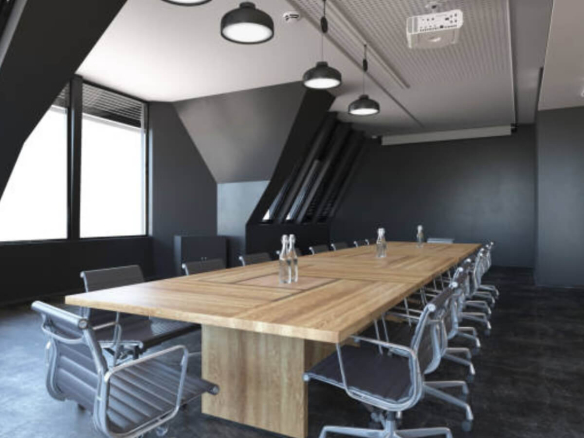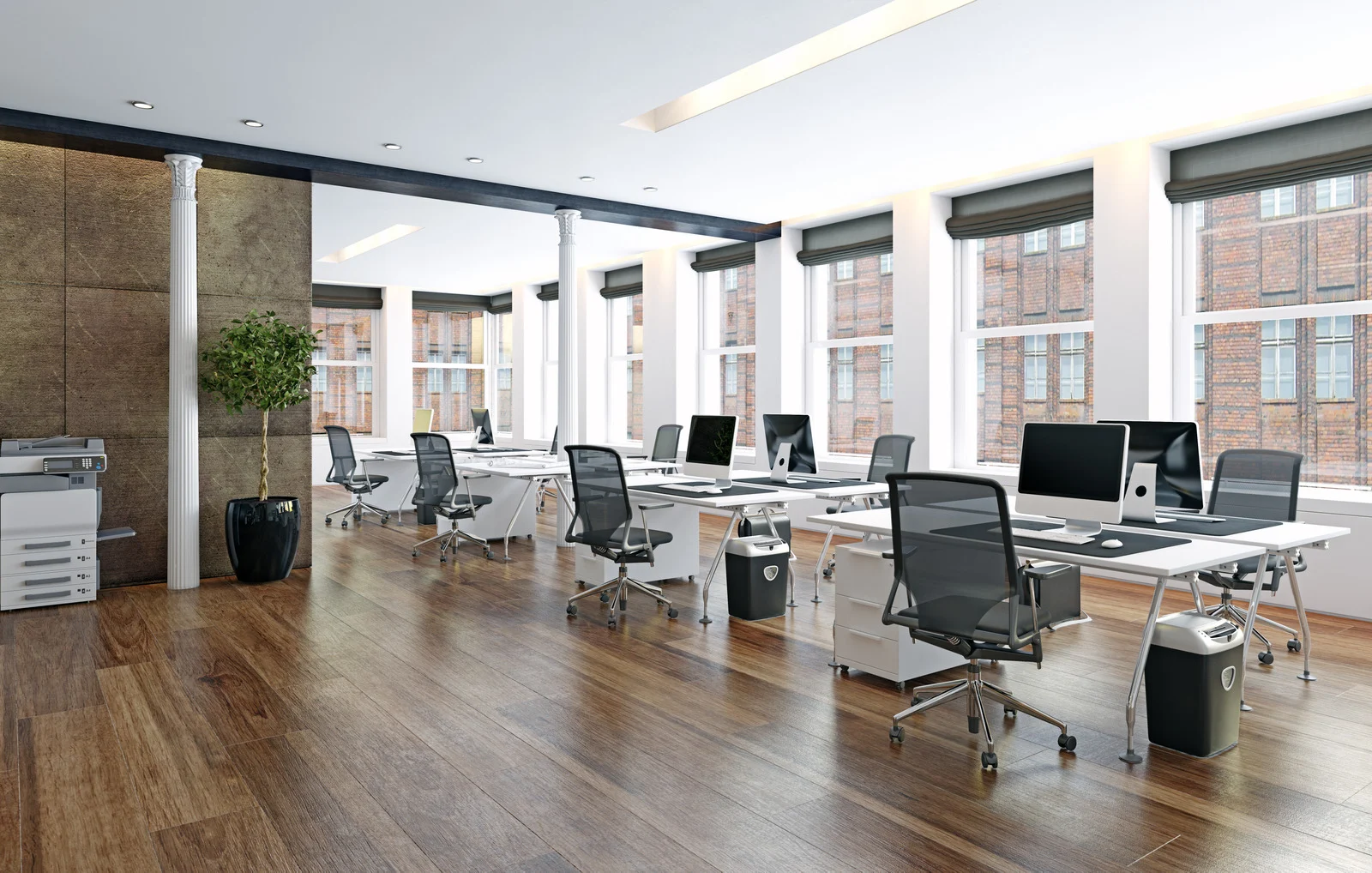
Bangalore, the pulsating heart of India’s technology sector, is undergoing a fundamental shift in how companies think about workspaces. In a city long dominated by sprawling tech parks and rigid office leases, a new paradigm is taking root—flexibility. The rise of hybrid work models, evolving employee expectations, and rapid startup growth have created surging demand for flexible office space in Bangalore. Across the city’s major tech hubs—Whitefield, HSR Layout, Electronic City, Indiranagar, and beyond—shared office space for IT companies is not only in vogue but fast becoming the default. This article explores why flexible workspaces have risen to prominence and what makes them the ideal fit for Bangalore’s modern tech ecosystem.
1. The Acceleration of the Hybrid Work Model
The hybrid work model—where employees split time between home and office—has become the new norm for most tech-driven organizations. Bangalore’s IT sector, in particular, has been quick to adopt this structure in a post-pandemic world where agility and employee satisfaction are top priorities. Traditional offices, designed around the 9-to-5 presence model, are no longer a fit for this evolving workflow.
Flexible workspaces, by contrast, offer scalable, on-demand infrastructure that aligns with hybrid team requirements. Companies can downsize their real estate footprint while still providing dynamic, well-equipped collaboration zones for employees when they choose to come in. These shared environments offer hot-desking, private booths, lounge-style meeting rooms, and quiet zones, supporting diverse work modes under one roof.
Furthermore, flexible leases let organizations increase or decrease seat count based on rotational work schedules or evolving hiring plans. This becomes especially valuable for tech companies in Bangalore with fast-scaling teams and distributed employees. With uncertainty now baked into long-term planning, flexibility in workspace is not just preferable—it’s strategic.
2. Startup Ecosystem Needs Speed and Agility
Bangalore’s startup scene is one of the most active in Asia, with new SaaS, fintech, and AI ventures emerging almost every week. For these fast-moving companies, speed to market is everything. The traditional commercial real estate route—hunting for a property, negotiating long-term leases, executing fit-outs, and handling vendor contracts—can take several months and burn significant early capital.
Flexible office spaces eliminate these barriers entirely. They offer plug-and-play environments where startups can get up and running in a matter of days. Everything from ergonomic furniture and high-speed internet to IT support and reception services is already in place. This immediate functionality allows founders to focus on product development, hiring, and fundraising—without getting bogged down in operational overhead.
Moreover, these shared workspaces are often embedded in thriving innovation districts like Indiranagar, Koramangala, and JP Nagar, placing startups next to potential collaborators, investors, and partners. Many flexible space providers even host networking events, mentorship sessions, and demo days, helping young companies accelerate their growth within a built-in business ecosystem.
3. Financial Efficiency Without Compromising Quality
One of the most compelling reasons for the growth of flexible office space in Bangalore is the cost-benefit equation. Maintaining a traditional office involves heavy upfront investments—security deposits, custom interior fit-outs, monthly operational expenses, and property maintenance. For businesses looking to manage capital prudently—especially startups and mid-sized IT firms—these expenses can be burdensome and often inefficient.
Shared office spaces, by contrast, offer a transparent, all-inclusive pricing model. For a fixed monthly fee, companies gain access to premium facilities, tech-enabled meeting rooms, cafeterias, concierge services, and more. There are no hidden charges for maintenance, electricity, or facility management.
This model also makes location-driven presence financially attainable. For example, instead of leasing an entire floor in a prime location like Outer Ring Road or MG Road, companies can opt for a shared workspace within the same high-grade building—benefiting from the prestige and connectivity without breaking the bank.
From a financial planning perspective, flexible offices also offer better predictability. Without multi-year lock-ins or high exit penalties, businesses can pivot faster in response to market fluctuations. This agility becomes crucial in sectors like IT, where project-based hiring, team resizing, and offshore delivery adjustments are commonplace.
4. Employee Experience and Talent Retention
Bangalore’s IT sector is talent-driven, and attracting the right people increasingly depends on offering not just compensation, but a superior work environment. Today’s tech professionals seek inspiring, collaborative, and wellness-oriented spaces that support both focus and interaction. Flexible office providers have taken this shift seriously, crafting spaces that reflect the needs of modern knowledge workers.
Most flexible workspaces in Bangalore now feature open-plan designs, creative decor, breakout zones, wellness rooms, fitness centers, gaming corners, and stocked pantries. They focus heavily on ergonomics, lighting, air quality, and acoustics—elements directly tied to productivity and well-being. Employees feel more motivated walking into an energetic, thoughtfully designed environment than a dull, cubicle-heavy setup.
Additionally, shared spaces foster a culture of community. When employees work alongside peers from other startups, freelancers, or consulting firms, it encourages informal networking, cross-pollination of ideas, and exposure to different working styles. For younger professionals especially, this social and learning element is a key perk.
Companies that operate from such locations gain an employer branding edge. In a competitive hiring market like Bangalore, showcasing a modern, inclusive, and amenity-rich office environment during interviews can significantly influence candidate decisions. It signals progressiveness and respect for work-life balance—two vital criteria for Gen Z and millennial workers.
Looking Ahead: The Long-Term Viability of Flexible Workspaces
As Bangalore continues its growth as a global tech hub, the flexible office model appears not only sustainable but inevitable. Both small and large enterprises are now integrating flexibility into their core workplace strategy—not just as a post-pandemic adaptation, but as a long-term organizational shift.
Larger enterprises are increasingly establishing satellite offices in coworking spaces to support decentralized teams. Tech giants are testing hybrid pilot programs in managed spaces before committing to major infrastructure investments. Even traditional sectors like legal, finance, and consulting are exploring flexible models for specific teams like client engagement, training, or R&D.
From a real estate developer’s standpoint, the demand trend is also influencing supply. Several new buildings in Bangalore are being constructed with pre-planned provisions for shared office operators, flexible floor plans, and integrated amenities. Landlords are partnering with coworking brands for revenue-sharing models that align better with evolving tenant expectations.
The digital transformation that fuels IT innovation in Bangalore is mirrored in how physical workplaces are changing. Flexibility, user-centricity, and real-time adaptability are now the pillars of both product design and office planning.
Flexible office spaces are no longer a niche trend—they represent the future of Bangalore’s work culture. In a city defined by innovation, agility, and a fiercely competitive tech economy, workspace decisions must be equally forward-thinking. Whether it’s enabling hybrid work, scaling up a startup, optimizing costs, or improving employee experience, flexible workspaces deliver unmatched value across the board.
For IT companies in particular, the convergence of plug-and-play functionality, location benefits, and collaborative environments makes shared office space an indispensable part of their operating strategy. As demand continues to surge across the city’s tech hubs, businesses that adopt this model early will find themselves better positioned to attract talent, manage volatility, and drive sustained growth.
About BangaloreOffice.com
With over 15 years of deep-rooted expertise in Bangalore’s corporate real estate market, BangaloreOffice.com specializes in helping IT companies, startups, and enterprises find the perfect flexible office solutions. Whether you’re seeking a shared office space in a prime tech hub or a managed workspace designed for hybrid teams, our tailored leasing services ensure you get the best in location, cost-efficiency, and scalability—without the complexities of traditional office setups.