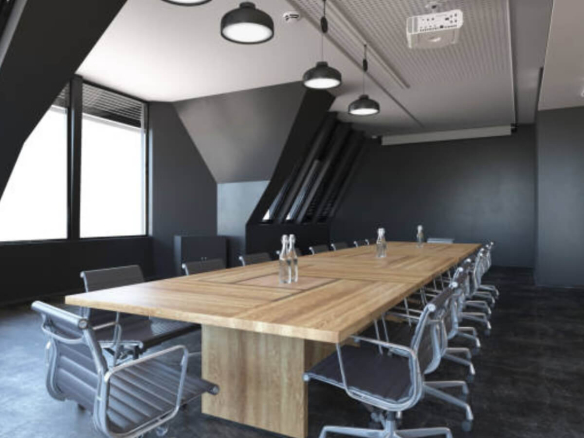
Bangalore, India’s high-octane technology and innovation hub, is entering a new era of commercial real estate transformation. As businesses continue to adapt to the post-pandemic work environment, workspace planning has shifted from traditional long-term leases to more agile, experience-driven, and tech-integrated models. With the rapid evolution of hybrid work, digital infrastructure, and employee preferences, 2025 is poised to redefine how companies occupy and utilize office space in the city. This forward-looking article delves into the key 2025 office space trends in Bangalore and examines how these shifts are shaping the future of work in Bangalore across startups, SMEs, and multinational corporations.
1. Hybrid Work Models Are Reshaping Space Planning
One of the most significant workplace transformations defining 2025 is the rise of hybrid work. What began as a pandemic-era necessity has matured into a strategic model that businesses in Bangalore now actively design their office environments around.
Companies are moving away from fixed-seat setups and toward hybrid-ready office layouts that support flexible attendance patterns. This means fewer dedicated desks and more multi-purpose zones—collaboration pods, brainstorming lounges, private phone booths, and touchdown desks for rotating staff. As the emphasis shifts from attendance to productivity, offices are being redesigned as collaboration-first environments, not just places for routine work.
This model is particularly appealing in Bangalore’s tech sector, where product teams, developers, and customer service departments operate in different work rhythms. A hybrid model allows for deeper work at home, while the office becomes a space for meetings, mentoring, and innovation.
Furthermore, Bangalore-based businesses are embracing ‘hub-and-spoke’ configurations—maintaining a central headquarters in a core area like MG Road or Whitefield, while adding satellite offices in locations such as Yelahanka or Electronic City. These secondary hubs reduce commute times for employees and support decentralized operations across the city.
Hybrid strategies also reduce real estate costs. Businesses no longer need to lease large spaces “just in case”; instead, they can optimize square footage while still supporting all functions.
2. Smart and Sustainable Offices Gain Priority
Environmental consciousness and operational efficiency are intersecting like never before in 2025. With rising utility costs and increasing corporate ESG (Environmental, Social, and Governance) commitments, sustainability has become a priority in commercial leasing decisions.
Office buildings in Bangalore are now being developed with green certifications such as LEED, WELL, and IGBC. These structures incorporate energy-efficient lighting systems, rainwater harvesting, solar power integration, and superior ventilation systems that reduce the overall carbon footprint. In addition to their environmental benefits, these features lower energy costs and improve indoor air quality, key considerations for employee wellness and long-term financial planning.
Another rising trend is biophilic design, where natural elements such as indoor plants, natural lighting, and wood-textured surfaces are integrated into workspaces. Biophilic environments are proven to enhance creativity and reduce stress, making them ideal for high-pressure tech environments.
Smart buildings are also increasingly common. Commercial complexes in areas like Outer Ring Road and Manyata Tech Park are using IoT-enabled devices to monitor energy use, control lighting, manage climate, and ensure security. Advanced building management systems provide real-time data that helps companies optimize occupancy, reduce wastage, and plan maintenance proactively.
Workplaces are also seeing a surge in touchless technologies—from facial recognition access and voice-activated elevators to app-based desk bookings and motion-sensor lighting. These features improve hygiene, convenience, and energy conservation, creating a seamless user experience.
3. Flexible Leasing is Becoming the Norm
The rigidity of traditional office leases is becoming a deal-breaker in the new business environment. With economic uncertainties, workforce decentralization, and shifting operational needs, companies are turning to flexible leasing models that allow them to scale their real estate usage with minimal friction.
Bangalore is seeing a significant rise in managed office spaces and enterprise coworking solutions. Providers now offer entire floors or wings on short to mid-term agreements, complete with IT infrastructure, furnishing, utilities, and maintenance. This model is especially popular among startups and tech-driven SMEs looking to reduce CAPEX and focus on core operations.
In locations like Koramangala and HSR Layout—dense with digital-first businesses—fully serviced workspaces are now the preferred option. Even larger organizations are adopting flexible leasing as a way to test new markets, manage project-based teams, or support hybrid models without long-term liability.
These setups also allow for custom branding, secure access, and private zones, giving companies the best of both worlds: operational control with the convenience of shared infrastructure. This trend is contributing to the overall democratization of premium office spaces, allowing smaller firms access to Grade A environments that were once limited to corporates with large leases.
4. Office as an Experience: Employee-Centric Design
One of the defining themes of the future of work in Bangalore is the shift toward employee experience-centric office design. In a competitive talent market, especially within IT and SaaS domains, workspace quality has become a differentiator for both attraction and retention.
Modern commercial spaces are being designed as experience zones, not just productivity engines. Think wellness rooms, gaming lounges, rooftop cafes, art walls, nap pods, and meditation corners—all geared toward creating a workplace employees actually want to spend time in.
Businesses now focus on designing environments that support holistic well-being, including mental health. Workspaces with natural light, acoustically balanced areas, ergonomically designed furniture, and access to breakout spaces encourage collaboration and reduce burnout.
Additionally, workplace hospitality is evolving. Facilities management now includes concierge services, in-house gyms, child-care centers, and even express laundry. These additions go beyond functionality—they foster emotional connection and loyalty among employees.
Many businesses are also leveraging data-driven space planning tools. By tracking how employees move through and use office areas, businesses can adjust layouts to maximize comfort and engagement, all while optimizing space efficiency.
In 2025, the office is no longer just about output—it’s about culture, creativity, and connection.
What This Means for Business Leaders
For decision-makers in Bangalore, the evolving office space landscape offers both opportunities and responsibilities. On the one hand, there is more choice, flexibility, and technological support than ever before. On the other, businesses must now think more strategically about how real estate supports growth, agility, and employee satisfaction.
Before signing a lease or expanding office presence, business leaders should ask:
- Does this space align with our hybrid work policies?
- Are we overpaying for underutilized square footage?
- Does this building offer the smart, sustainable features our ESG goals require?
- Will this location support employee wellness, collaboration, and talent retention?
By addressing these questions with foresight, businesses can make workspace decisions that are both cost-effective and future-proof.
The Rise of Decentralized Work Zones
As Bangalore expands its geographic footprint, there is a noticeable shift in demand from the central business district (CBD) to emerging micro-markets like Sarjapur Road, Hebbal, and North Bangalore. These zones offer better access to residential hubs, improved traffic conditions, and newer infrastructure—all attractive to both employers and employees.
Technology is enabling this decentralization. Cloud collaboration tools, VPN-secured networks, and virtual office extensions allow businesses to operate across multiple smaller offices without compromising connectivity or control.
Additionally, Bangalore’s metro expansion and suburban development are supporting this movement. In the coming years, we can expect a more distributed office ecosystem, where organizations blend headquarters, satellite offices, flexible hubs, and remote work into a single, coherent workplace strategy.
In short, the Bangalore office of the future will be less about where people work and more about how spaces support what people need to do.
Bangalore’s commercial office space market in 2025 is driven by adaptability, sustainability, and user experience. The rigid, one-size-fits-all approach to workspace planning is being replaced by smart, flexible, and employee-first environments that align with business goals and workforce expectations.
As companies reimagine how and where work happens, it’s clear that the most successful organizations will be those that embrace this transformation proactively. By aligning with the city’s new trends in hybrid models, sustainable infrastructure, intelligent leasing, and experience-driven design, businesses can stay ahead of the curve—and create spaces where people and performance thrive together.
About BangaloreOffice.com
BangaloreOffice.com is a premier corporate leasing real estate service company based in Bangalore, backed by 15 years of experience in commercial real estate solutions. We specialize in helping businesses find future-ready office spaces that align with evolving work models, sustainability goals, and workforce needs. From flexible lease advisory to tech-enabled workspace planning, we empower companies to thrive in Bangalore’s fast-changing business environment.